Call Option: What It Means (The Right to Buy an Asset) and How It Works
If you’ve ever heard someone say, “I bought a call on Tesla,” or “Calls are bullish,” they’re talking about one of the most popular (and most misunderstood) tools in investing: the call options.
A call option can offer big upside with a relatively small upfront cost—but it can also lose value fast. That’s why understanding the basics is so important before you ever place a trade.
In this beginner-friendly guide, you’ll learn what a call option is, how it works in the U.S. market, what key terms like strike price and expiration date mean, and how real call option examples play out.
What Is a Call Option?
A call options is a contract that gives you the right (but not the obligation) to buy an asset—usually a stock—at a specific price by a specific date.
In simple terms:
A call option gives you the right to buy a stock at a set price before the option expires.
That set price is called the strike price, and the deadline is called the expiration date.
Why Would Someone Buy a Call Option?
Most people buy call options because they believe the stock price will rise.
If the stock rises enough, the call option can increase in value—sometimes dramatically—because it lets you buy the stock at a lower locked-in price.
The Key Pieces of a Call Option (Beginner Terms)
A call option might look complicated at first, but it’s built from a few core parts:
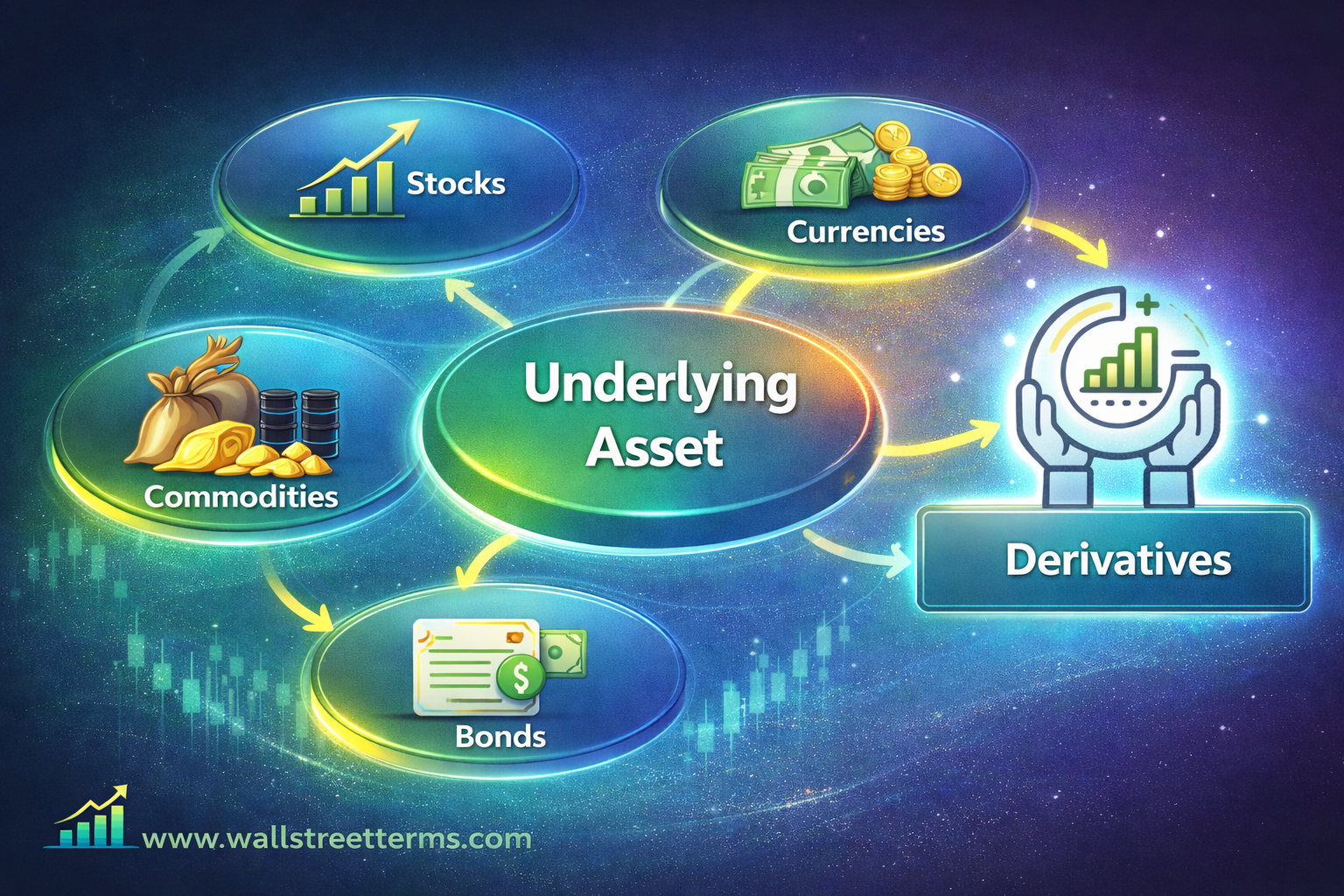
1) Underlying Asset
This is what the option is based on—usually a stock, but it can also be:
- an ETF (like SPY)
- an index (like the S&P 500, via certain products)
- other assets (like commodities in some markets)
Example: A call option on Apple is based on Apple stock.
2) Strike Price
The strike price is the price you’re allowed to buy the stock for if you exercise the option.
Example: A $150 call gives you the right to buy the stock at $150 per share, even if the market price goes higher.
3) Expiration Date
Options don’t last forever. The expiration date is the deadline.
After the expiration date:
- the option disappears
- it becomes worthless if it’s not profitable
Many U.S. stock options expire weekly, monthly, or on longer timelines (like a few months out).
4) Premium (The Price You Pay)
The premium is what the option costs. It’s like the “price tag” for buying the contract.
If you buy a call option, the premium is the maximum amount you can lose as the buyer.
Example:
- You pay $2.50 per option share
- One contract usually represents 100 shares
- Total cost = $2.50 × 100 = $250
That $250 is your upfront cost.
5) Contract Size (Usually 100 Shares)
In the U.S., stock options typically trade in contracts that represent 100 shares of the underlying stock.
So when people say:
“I bought 1 call contract”
They usually mean exposure to 100 shares, not 1 share.
That’s a big reason options can move so aggressively—your small premium controls a larger position.
Call Option Example (Simple and Realistic)
Let’s walk through a realistic example using easy numbers.
Scenario
You believe a major U.S. company stock—let’s call it Stock ABC—is going to rise soon.
- Stock ABC price today: $100
- You buy a call option with:
- strike price: $105
- expiration: 30 days from now
- premium: $2 per share
- contract size: 100 shares
What You Pay
Premium cost = $2 × 100 = $200
That $200 is the most you can lose as the buyer.
What Happens If the Stock Goes Up?
Case 1: Stock ABC rises to $120
Your call gives you the right to buy at $105.
If the stock is $120, buying at $105 is valuable.
The option is “in the money” by:
$120 − $105 = $15 per share
That value is called the option’s intrinsic value.
Because each contract covers 100 shares:
$15 × 100 = $1,500 intrinsic value
You paid $200, so (before trading fees and market pricing effects) you could have a large gain.
This is why call options are often described as a way to benefit from upside with less upfront money than buying 100 shares outright.
What Happens If the Stock Doesn’t Move (or Drops)?
Case 2: Stock ABC stays at $100
At expiration, the stock is still below the $105 strike price.
Your call option expires worthless because no one would choose to buy at $105 if they can buy at $100 in the market.
Result:
- Option value at expiration: $0
- Your loss: $200 premium paid
Case 3: Stock ABC drops to $90
Same outcome: the option expires worthless.
That’s a key reality of call options:
You can be “right” that the stock is a good company, but still lose money if it doesn’t rise fast enough before expiration.
Call Options Are “Bullish” (Here’s Why)
Buying a call option is typically a bullish strategy.
That means:
- You expect the asset price to rise
- You benefit if the price rises enough, soon enough
In contrast, buying a put option is usually bearish (it benefits from falling prices).
In the Money, At the Money, Out of the Money (ITM/ATM/OTM)
These phrases come up constantly in options trading.
In the Money (ITM)
A call option is in the money when:
Stock price > Strike price
Example:
- Stock: $110
- Strike: $100
✅ Call is ITM by $10
At the Money (ATM)
A call option is at the money when:
Stock price ≈ Strike price
Example:
- Stock: $100
- Strike: $100
⚪ Call is ATM
Out of the Money (OTM)
A call option is out of the money when:
Stock price < Strike price
Example:
- Stock: $90
- Strike: $100
❌ Call is OTM
What Is the Break-Even Price on a Call Option?
A call option doesn’t become profitable just because the stock is above the strike price. You also need to recover the premium you paid.
Break-even at expiration:
Strike price + Premium paid
Example:
- Strike price: $105
- Premium: $2 per share
Break-even = $105 + $2 = $107
So at expiration, the stock must be above $107 for you to profit.
Two Main Ways People Use Call Options
Call options are often used for two different purposes:
1) Speculation (Trying to Profit From a Price Increase)
This is the most common use beginners hear about.
You buy a call because you believe a stock will rise soon and you want leveraged upside.
Potential benefit: big gains
Risk: option can go to zero
2) Strategy and Position Planning (More Advanced)
Some investors use call options strategically, for example:
- gaining exposure with limited downside (premium paid)
- setting up structured trades
- managing risk around earnings or major market events
For most beginners, it’s best to understand the basics first before using options as “strategy tools.”
Why Call Options Can Be Risky (Even If Loss Is Limited)
Technically, buying calls has limited downside: you can only lose the premium you paid.
But call options are still risky because:
1) They Expire
Stocks can recover over time, but options have a clock ticking.
If the stock doesn’t move before expiration, you can lose everything you paid.
2) They Lose Value Over Time (Time Decay)
Options usually lose value as expiration gets closer, even if the stock price stays the same.
This is called time decay, and it works against option buyers.
In plain English:
The longer a stock takes to move up, the harder it can be for your call option to stay profitable.
3) Volatility Can Swing Prices Fast
Options prices often move dramatically around:
- earnings reports
- Fed interest rate decisions
- major economic news
- market panic days
That volatility can create fast profits—but also fast losses.
Realistic U.S. Market Situations Where Calls Get Popular
Call options tend to become more popular when:
The Market Is in a Bull Run
During bull markets, investors get more confident and may buy calls on growth stocks or major indexes.
A Big Company Has Upcoming Earnings
Many traders buy calls ahead of earnings hoping for a big jump. This can work—but it’s also one of the riskiest times because the stock may drop instead.
A Sector Is Hot
If a sector like technology, AI, or energy is rallying, investors may buy calls to try to capture quick upside.
Call Option vs. Buying the Stock (Simple Comparison)
Buying the Stock
✅ No expiration date
✅ You can hold long-term
✅ You benefit from dividends (if any)
❌ Requires more money upfront
❌ Downside can be large if the stock crashes
Buying a Call Option
✅ Lower upfront cost
✅ High upside potential
✅ Loss is limited to premium
❌ Can expire worthless
❌ Timing matters a lot
❌ More complicated pricing and risks
Key Takeaways: Call Option Meaning in Plain English
A call option is a contract that gives you the right to buy an asset (like a stock) at a strike price before an expiration date.
Here’s the quick summary:
- Call options are usually bullish (you want the price to rise)
- You pay a premium, which is the most you can lose as the buyer
- Each contract typically controls 100 shares
- You profit if the stock rises above the strike price + premium by expiration
- Calls can expire worthless, so timing matters
Call options can be powerful tools, but they’re best approached carefully—especially for beginners—because the potential for fast losses is very real.
Related Posts
Underlying Asset ? understand in 5 minutes
Underlying Asset: The Asset on Which Derivatives are Based An…
In-the-Money (ITM) Options Explained: What It Means and Why It Matters for Investors
If you’re learning options trading, one of the first terms…
Options Contract: The Right (Not the Obligation) to Buy or Sell an Asset
Options Contract: The Right (Not the Obligation) to Buy or…
5 Replies to “Call Option: What It Means and How It Works”